Affair recovery intensive
Affair recovery intensive: one focused day to start rebuilding after infidelity
Right after an affair comes out, a week between sessions can feel impossible. The questions don't wait, and neither does the hurt. An affair recovery intensive gives you five structured hours, online, to get the hardest conversations started safely and leave with a plan for what comes next.
Private and confidentialSaturdays, 9am to 2pm Eastern, by secure video. $1,800, including questionnaires, a written plan and a follow-up session. See fee and booking
Affair recovery intensive at a glance
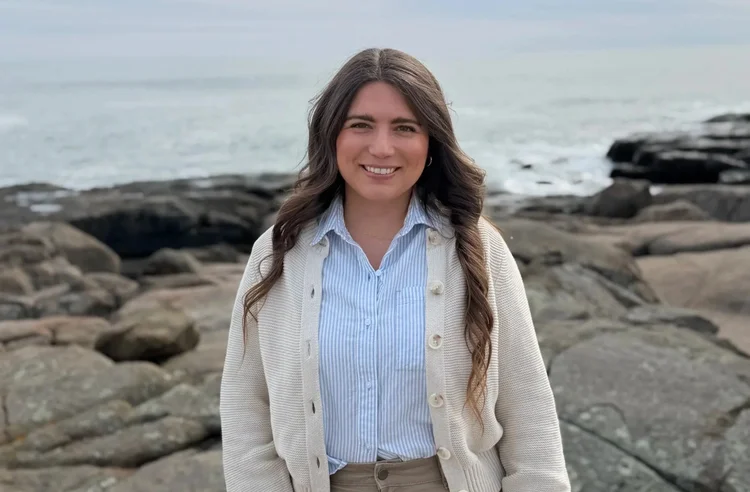
An affair recovery intensive is focused couples therapy for infidelity, condensed into one long, structured session. Amiti Grozdon, M.Ed., trained by the Gottman Institute in infidelity repair, offers 5-hour online affair recovery intensives on Saturdays for couples in Texas, Maine, Montana and New Hampshire.
- Length
- 5 hours, plus a 30-minute lunch
- When
- Saturdays, 9am to 2pm Eastern, online
- Fee
- $1,800
- Includes
- Questionnaires, a written plan and a follow-up session
- First step
- A free 15-minute phone consultation
Is an affair recovery intensive right for us?
- You've just discovered or disclosed an affair, and waiting a week feels unbearable.
- Every conversation about it turns into the same fight.
- The hurt partner needs answers, and you can't get there safely on your own.
- Weekly sessions end just as things start to open up.
- Work, travel or kids make weekly appointments hard to keep.
- You've looked at affair recovery retreats, but traveling isn't realistic right now.
Who the affair recovery intensive isn't for
- The affair is still going on, including ongoing contact with the affair partner
- There's physical violence, threats or intimidation, or one of you is afraid of the other
- One partner controls the other's money, phone, friendships or movements
- There's active drug or alcohol addiction, or another compulsive behavior, that isn't being treated
- Either of you is in crisis, or having thoughts of suicide or self-harm
- One of you is being pressured into taking part
In these situations, a long, intense couples session can make things less safe, not more, so it isn't the right choice. In a free consultation, I can help you think about safer first steps, like individual support, safety planning or treatment, and point you to the right help. If the hurt partner needs support first, see betrayal trauma therapy.
If you're in danger right now, call 911. If you're in crisis or thinking about suicide, call or text 988, the Suicide and Crisis Lifeline. For help with abuse or control in a relationship, call the National Domestic Violence Hotline at 1-800-799-7233, or text START to 88788.
What the day focuses on
The day follows the early stage of affair recovery: understanding what happened, taking responsibility and laying the first foundations of trust.
The story, at a pace you can manage
What happened comes out in a structured way, so the hurt partner gets real answers without being flooded.
Needing the whole storyQuestions that help, not hurt
We sort out which questions matter most and how to answer them honestly, instead of late-night interrogations that reopen the wound.
When you can't stop asking for detailsResponsibility without defending
The partner who had the affair learns to own what they did without minimizing, explaining it away or collapsing into shame.
What repair requiresFirst steps for rebuilding trust
You leave with clear agreements, like what transparency looks like now and how you'll handle triggers, and a plan for the weeks ahead.
Rebuilding trust after an affairHow the affair recovery intensive works
From your first call to the follow-up session.
-
Consultation and questionnaires
A free 15-minute call to check the intensive is a safe and good fit. If it is, a 50% deposit holds your Saturday, and you each fill in questionnaires that I read before we meet.
-
The intensive
Five focused hours by secure video, with short breaks and a 30-minute lunch. Either of you can ask for a pause at any time. You get a written plan afterward.
-
Follow-up session
A 50-minute session to review what's working, adjust the plan and decide on next steps, like continuing with weekly affair recovery therapy.
Training: Couples Infidelity Repair: Treating Affairs and Trauma, and Gottman Method Couples Therapy (Level 2), both through the Gottman Institute, and AANE Neurodiverse Couples Therapy. More about me
An online alternative to an affair recovery retreat
The focused time of a retreat, without the flights, the hotel or the time off work.
Many couples look at affair recovery retreats first. This gives you the same uninterrupted time with a therapist, by secure video from home on a Saturday. You're back in your own space that evening to rest, and you don't have to explain a trip to anyone.
The day follows a clear agenda, so it never feels like five hours of hard talking. Breaks are built in. If one of you processes more slowly, we leave room for that. If one of you needs individual support first, see betrayal trauma therapy.
A typical Saturday
9:00am Eastern: arrive and set goals
We check in, review your questionnaires and agree on what you want to leave with.
Morning: what happened
The story and the most important questions, at a pace you can both handle, with a short stretch break.
Midday: 30-minute lunch
Time off camera to eat, rest and reset.
Afternoon: responsibility and repair
Taking responsibility, naming the hurt and agreeing on what transparency looks like now.
By 2:00pm Eastern: your plan
We turn the day into concrete next steps, which you'll also get in writing.
What the research says
Couples can and do recover after an affair. The research gives real reasons for hope.
In a study of 530 couples in therapy, couples dealing with infidelity started out more distressed and depressed than other couples. But they kept improving through the end of therapy and for six months afterward, and by then they were no longer measurably different from couples who came in for other reasons. In an earlier trial, couples whose affair came out before or during therapy improved more in satisfaction than couples without an affair.
Leading affair-recovery researchers describe recovery in stages that start with the immediate shock, then move to understanding what happened, then to moving forward. The intensive focuses on that first stage. Research on one-day intensives specifically is still limited, which is why the day ends with a plan and a follow-up session, not a promise.
If you're in danger right now, call 911. If either of you is being threatened, hurt or controlled, the National Domestic Violence Hotline is available 24/7 at 1-800-799-7233, or text START to 88788. If you're in crisis or thinking about suicide, call or text 988.
What one day can't promise
One day won't erase what happened, decide your future for you or rebuild trust on its own. What it can do is get the hardest conversations started safely, help you understand each other and give you a clear plan for what comes next.
Is this the right fit?
A good fit if you
- Have discovered or disclosed a physical affair, an emotional affair or hidden online behavior
- Both want to understand what happened, even if you don't know yet whether you'll stay
- Do better with long, structured time than with starting and stopping
- Are a neurodiverse couple, or a couple where neither of you is neurodivergent
- Are each in Texas, Maine, Montana or New Hampshire on the day
Who this isn't for
- The affair is still going on, including contact with the affair partner
- There's violence, threats or control in the relationship: please call the National Domestic Violence Hotline at 1-800-799-7233
- There's untreated addiction, or either of you is in crisis: if you're in danger, call 911, and if you're in crisis, call or text 988
- The hurt partner needs individual support before couples work: see betrayal trauma therapy
Prefer to go week by week? See weekly affair recovery therapy. Some couples start with an intensive and continue weekly afterward.
Fee and booking
- Consultation15 minutes by phone
- Free
- Affair recovery intensive5 hours on a Saturday, with questionnaires, a written plan and a follow-up session
- $1,800
- Weekly couples session afterward50 minutes, optional
- $250
A 50% deposit holds your date. If you cancel or reschedule with less than 7 days' notice, the full fee applies. Dates are limited, with a waitlist when they're full. Payments go through IvyPay: credit, debit, HSA and FSA cards. I'm private pay. Many plans don't cover couples therapy. If you have out-of-network benefits, I can give you a superbill, but reimbursement isn't guaranteed. See how out-of-network therapy works.
Licensed in four states
All sessions are online, across Texas (including Austin, Dallas, Houston and San Antonio) and statewide in Maine, Montana and New Hampshire. You need to be physically in one of these states during each session.
- Texas LPC #92348
- Maine LCPC #8561
- Montana LCPC #BBH‑LCPC‑LIC‑87815
- New Hampshire LCMHC #5711
Intensives run Saturdays, 9am to 2pm Eastern, 8am to 1pm Central, 7am to 12pm Mountain.
Questions about the affair recovery intensive
What is an affair recovery intensive?
An affair recovery intensive is focused couples therapy for infidelity, condensed into one long session instead of weeks of hour-long appointments. Mine is five hours on a Saturday, online, with questionnaires beforehand, a written plan afterward and a follow-up session a few weeks later.
How soon after discovering an affair can we do an intensive?
Often quite soon, because waiting a week between sessions can feel unbearable right after a discovery. But an intensive isn't for couples where the affair is still going on, there's violence, threats or control in the relationship, there's untreated addiction, or either of you is in crisis. If you're in danger, call 911. If you're in crisis, call or text 988.
What happens on the day?
We start by agreeing on goals, using your questionnaires. Then we work in focused blocks: what happened, the questions that matter most, responsibility and repair, and the first agreements for rebuilding trust. There are short breaks and a 30-minute lunch, and we finish with a concrete plan, which you also get in writing.
Do we have to know whether we're staying together?
No. You both need to be willing to spend the day understanding what happened and what comes next. Many couples don't know yet whether they'll stay together, and the intensive helps you take the next step with clearer information.
Will we have to talk about every detail of the affair?
No. The hurt partner usually needs real answers, and some details help healing while others keep the wound open. We work out together which questions matter most and how to answer them honestly, at a pace you can both handle. See should you tell your partner everything about the affair?
What if one of us gets overwhelmed during the day?
We pause. Breaks are built in, and either of you can ask for one at any time. Cameras can go off during breaks, and fidgets, headphones, snacks and moving around are all welcome. We plan this together beforehand, using your questionnaires.
Is this an online affair recovery retreat?
In a way. You get the focused, uninterrupted time of a retreat with a therapist, by secure video from home, without flights, a hotel or time off work. You each need to be physically in Texas, Maine, Montana or New Hampshire during the intensive.
Will one day fix everything?
No, and anyone who promises that isn't being straight with you. One day can get the hardest conversations started safely, help you understand what happened and give you a plan. Most couples continue with weekly or every-other-week sessions afterward, and the follow-up session helps you decide.
What happens after the intensive?
You get a written plan, and a 50-minute follow-up session a few weeks later to review what's working and adjust. Many couples then continue with weekly affair recovery therapy.
Can one of us also see you individually?
No. If I'm working with you as a couple, I'll refer either of you to a trusted colleague for individual therapy. That keeps the couples work balanced and fair for both of you.
What if one of us is autistic or has ADHD?
Affairs happen in neurodiverse relationships too, and the day can be shaped around how each of you processes, communicates and handles long conversations. I bring AANE neurodiverse couples training to this work. See affair recovery for neurodiverse couples.
How much does it cost? Does insurance cover it?
The affair recovery intensive is $1,800, including questionnaires beforehand, a written plan afterward and a 50-minute follow-up session. A 50% deposit holds your date. I'm private pay, and many plans don't cover couples therapy. If you have out-of-network benefits, I can give you a superbill, but reimbursement isn't guaranteed. See out-of-network therapy.
Sources
Outcomes for couples after infidelity: Atkins, D. C., Marín, R. A., Lo, T. T. Y., Klann, N., & Hahlweg, K. (2010), Outcomes of couples with infidelity in a community-based sample of couple therapy (opens in a new tab), Journal of Family Psychology, 24(2), 212 to 216.
Infidelity in a couple therapy trial: Atkins, D. C., Eldridge, K. A., Baucom, D. H., & Christensen, A. (2005), Infidelity and behavioral couple therapy: Optimism in the face of betrayal (opens in a new tab), Journal of Consulting and Clinical Psychology, 73(1), 144 to 150.
Stages of affair recovery: Gordon, K. C., Baucom, D. H., & Snyder, D. K. (2004), An integrative intervention for promoting recovery from extramarital affairs (opens in a new tab), Journal of Marital and Family Therapy, 30(2), 213 to 231.
Start with a 15-minute conversation
Book a free consultation to see whether an intensive fits, or send me a question first. I usually reply within one business day.
- Phone
- (512) 790-0019
- Hours
- Weekdays, 9am to 12pm Eastern8 to 11am Central, 7 to 10am Mountain. Intensives on Saturdays.
Email and phone aren't monitored for emergencies. If you're in crisis, call or text 988, or call 911.