Therapy for OCD, anxiety & phobias, BFRBs, and neurodivergent adults.
Neurodivergent-affirming, in-network with major insurers, and fully online. Neurodiverse couples therapy also available.
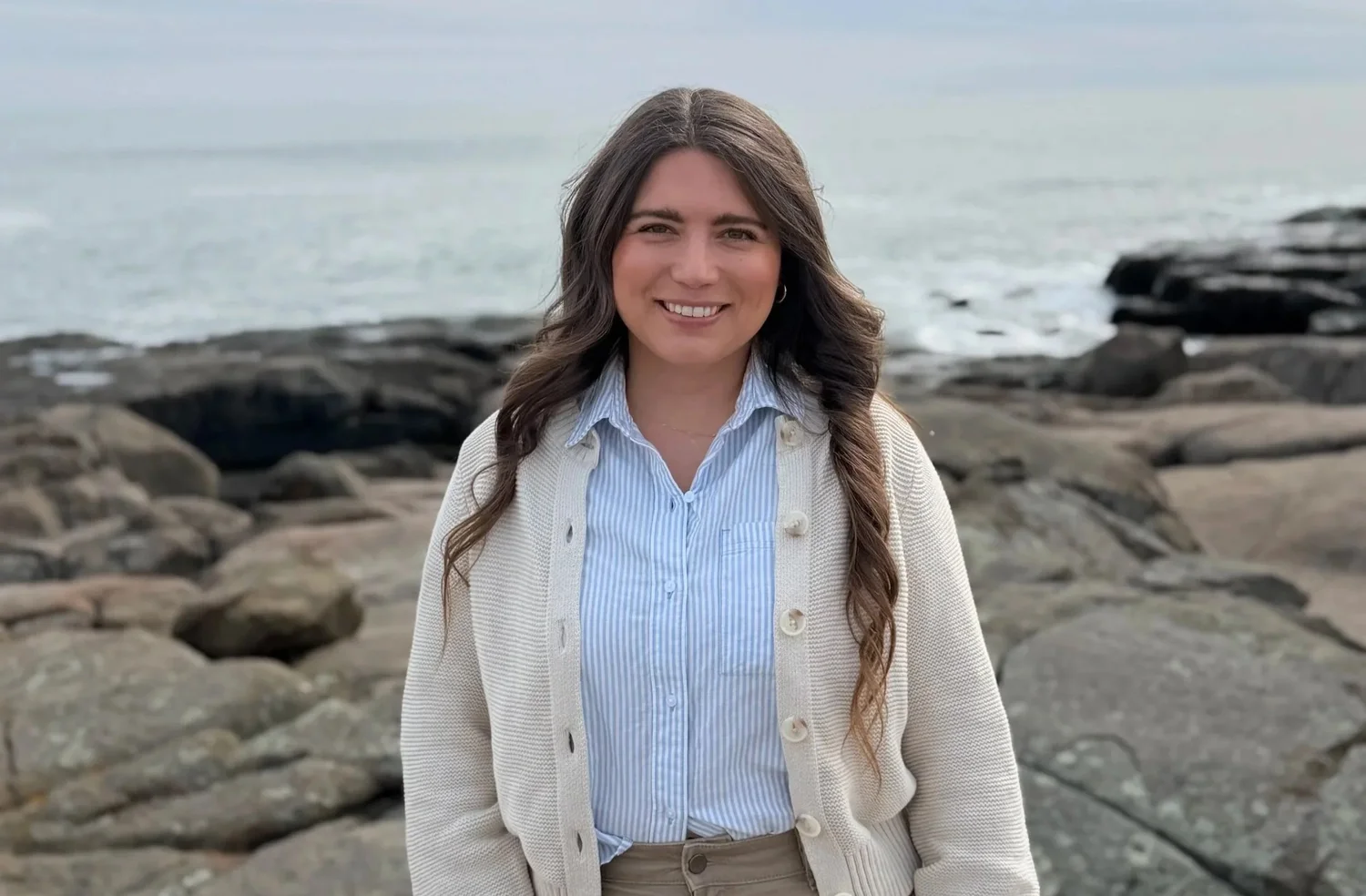
Amiti Grozdon, LPC, LCMHC, LCPC
My approach is direct, warm, and approachable, and sessions are solutions-driven. You'll always know what we're working toward, and you'll leave with something you can use.
Whether you arrive on your own or with your partner, and whether you're carrying burnout, a relationship that needs a shared language, a new or suspected Autism or ADHD identification, or simply a sense that something needs to change, you'll find space to be exactly where you are. I'll help you make sense of what's underneath and build tools that fit how you function, using evidence-based approaches matched to what you need.
What I specialize in
Five specialty areas, each treated with a named, evidence-based protocol.
OCD
You know the doubt doesn't make sense, and you've learned that knowing doesn't make it stop. I-CBT targets the reasoning that creates the obsession, not just the compulsion.
OCD therapy →Anxiety & phobias
When you've built your days around avoiding the thing, the avoiding becomes the bigger problem. ERP takes it apart step by step.
BFRBs
You've promised yourself you'd stop a hundred times. "Just stop" was never the treatment. The ComB model maps what the behavior does for you and builds strategies that fit your sensory system.
- Hair pulling (trichotillomania)
- Skin picking (dermatillomania)
- Nail biting
- Cheek & lip biting
Neurodivergent adults
Individual therapy that works with how you're wired, not against it. Self-identified clients welcome.
Neurodivergent adults →Neurodiverse couples
AANE-informed couples therapy built for how neurodivergent relationships actually work: translation, not blame.
Neurodiverse couples therapy →- One partner Autistic
- ADHD & relationships
- Both partners are ND
- AuDHD & mixed-neurotype
- Late diagnosis or discovery in a marriage
- Communication breakdowns
- Parent-child dynamic
- Intimacy & sensory differences
- Conflict, meltdowns & shutdowns
Structured sessions and protocols
Each specialty is treated with a named, research-backed method: I-CBT for OCD, ERP for anxiety and phobias, the ComB model for BFRBs, structured arcs for neurodivergent adults, and AANE-informed work for neurodiverse couples.
By session three you'll know your plan, its phases, and roughly how long it takes. Most individual work completes in 10 to 20 weekly sessions; couples work typically runs 6 to 12 months. As your skills take hold, you'll step down to check-ins and, when you're ready, finish.
How therapy works here: timelines by specialty and each method explained →Assess
Sessions 1 to 3: a structured intake mapping your specific pattern and what maintains it.
Map
You get the plan: the protocol we'll use, its phases, and a typical timeline.
Work the protocol
Weekly sessions plus between-session practice, adjusted as the results come in.
Step down & complete
Shorter check-ins as your plan holds, then a finish line with a clear path back if you need it.
New to these methods? Read the introductions: I-CBT · Autistic-affirming ERP · ACT · CBT-AR · Solution-Focused Therapy
A structured specialty practice
Sagebrush Counseling is a virtual specialty practice for adults. I treat OCD, anxiety and phobias, and body-focused repetitive behaviors with named, evidence-based protocols, and bring particular depth to neurodivergent adults and neurodiverse couples. You don't need to be neurodivergent to work with me; if you are, you won't have to translate yourself here.
Choose what fits you
Sagebrush Counseling accepts private pay and is in-network with several major insurance providers. Pick the option that works best for you.
Private pay
In-network insurance
Accepted with several major providers
- Carelon Behavioral HealthTXMENHMT
- CignaTXMENHMT
- AetnaTXMENHMT
- Providence Health PlanTXMENHMT
- Point32 HealthcareMENH
- Anthem Blue Cross and Blue ShieldMENH
- Blue Cross Blue Shield of TexasTX
- Ascension (SmartHealth)TX
Getting started, step by step
Fill out the contact form.
A 15-minute phone call. I'll call you at the time you schedule.
We meet virtually and begin the assessment phase.
Weekly or biweekly sessions at a standing time that's yours, with a clear plan from the start.
All sessions happen on a secure, HIPAA-compliant video platform. One link to click, no downloads and no waiting room; join from anywhere private in TX, ME, MT, or NH. How online therapy works →
Is this the right place for you?
Fit matters more than anything else in therapy. Here's an honest look at who I work best with, so you can decide before you ever reach out. And one thing worth saying up front: you don't need to be in a crisis to start counseling, and nothing is too small to bring.
We're likely a good fit if…
- You're stuck in OCD loops (intrusive thoughts, checking, confessing, mental reviewing, or relationship doubt) and you want structured treatment, not just talking about it
- You're working through panic, social anxiety, emetophobia, driving anxiety, misophonia, ARFID, depression, or burnout
- You're pulling, picking, or biting and you've already learned that "just stop" doesn't work
- You know or suspect you're Autistic, ADHD, or AuDHD, and you want a therapist who won't make you explain the basics
- You're in a neurodiverse or mixed-neurotype relationship and want a therapist who understands both sides of it
- You want direct feedback and a clear sense of what we're working toward
- You're self-identified, questioning, or newly identified, no formal diagnosis needed
- You've tried therapy before and felt misunderstood, or spent your sessions teaching your therapist about neurodivergence
- You're brand new to therapy, or just beginning to learn about neurodivergence
- You've been told you're "too sensitive" or should "just get over it"
I'm probably not the right fit if…
- You're under 18, and I'd be happy to send referrals to therapists who work with teens and children
- You're looking for medication management, which comes from a psychiatrist, psychiatric nurse practitioner, or your primary care provider
- You're in crisis or need a higher level of care than weekly outpatient therapy, where crisis resources are the right first step
- You're located outside Texas, Maine, New Hampshire, or Montana, since licensing requires you to be in one of these states during sessions
- You're looking for in-person sessions, as my practice is fully virtual
Ready when you are.
The consultation is free and short. We'll talk by phone (I'll call you at the time you schedule) and see if we're a fit. No pressure, no commitment.
Before you reach out
Quick answers to what people ask most. For everything else, the full FAQ page has more.
How to connect
The best way to schedule a session or book a free 15-minute consult is to fill out the contact form. I respond to all inquiries within one business day.
Go to contact formPhone
Virtual sessions
Available in TX, ME, MT, and NH
Hours
Mon–Fri
ME & NH · 8am–6pm ET
TX · 7am–5pm CT
MT · 6am–4pm MT