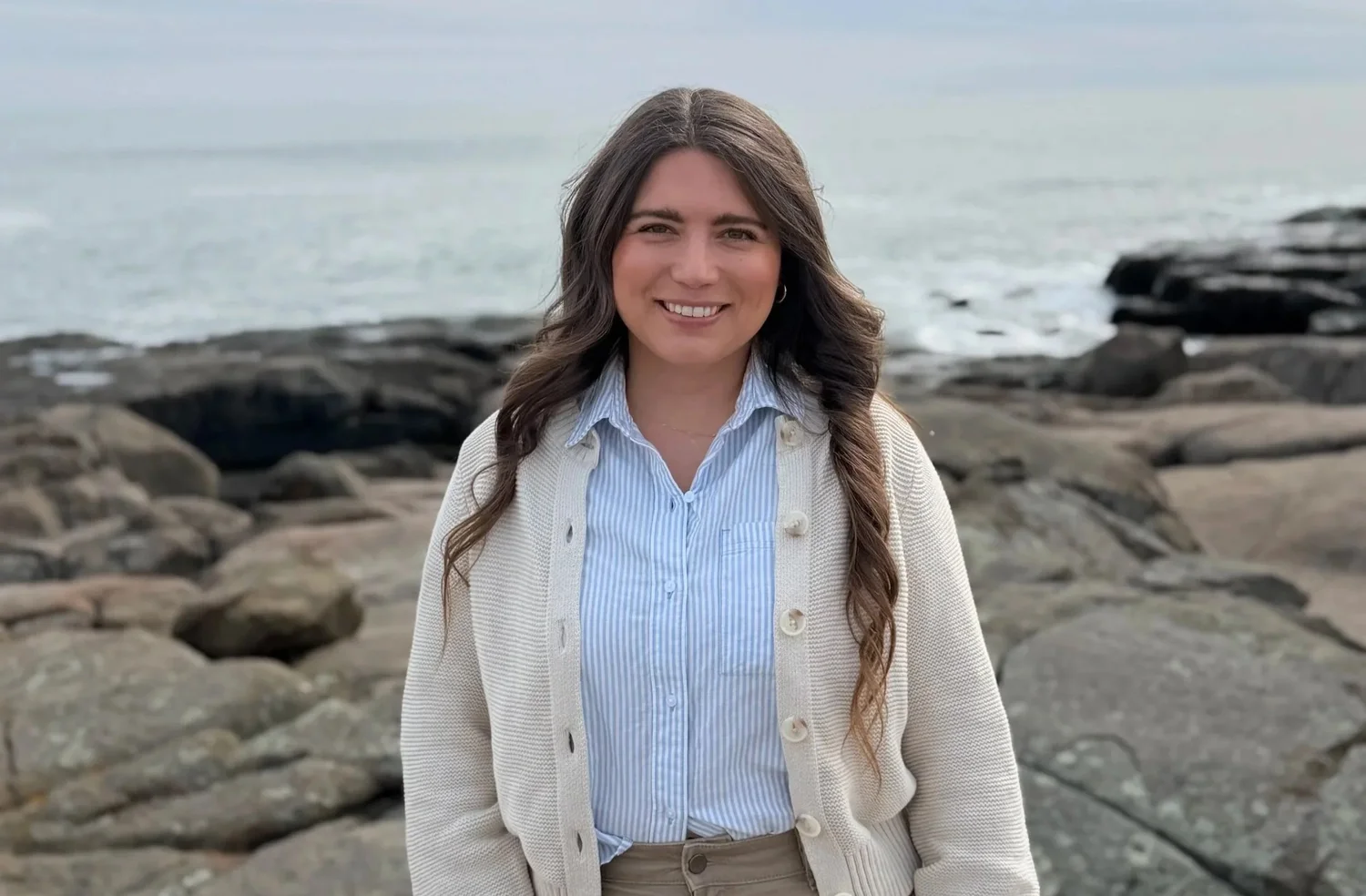
Amiti Grozdon, M.Ed., LPC, LCMHC, LCPC
TX LPC #92348 · NH LCMHC #5711 · ME LCPC #8561 · MT LCPC #87815
Therapy for the patterns and parts of yourself that have been waiting for someone who understands.
I'm a licensed therapist specializing in OCD, anxiety and phobias, body-focused repetitive behaviors, and neurodivergent adults and couples, along with the depression and burnout that so often travel with them. I work with people who are carrying things they were never given the tools to set down.
Some things aren't meant to be carried alone
I became a therapist because I kept noticing how many people are carrying things they were never given the tools to set down. They were told to move on, to be strong, to let it go. No one stopped to ask how.
My practice focuses on OCD, anxiety and phobias, and body-focused repetitive behaviors, and on neurodivergent adults, Autistic, ADHD, and AuDHD, along with the concerns that so often travel alongside: emetophobia, misophonia, ARFID, and burnout. These concerns are frequently missed or misread by generalist therapists, so I've built my training specifically around them.
Being neurodivergent-affirming is not a footnote in my practice, it is the foundation. Therapy here is a space where you do not have to mask or explain yourself. We work with how you are wired, not against it. That applies whether you have a formal diagnosis, a strong hunch, or a growing collection of screenshots that all sound like you. I also offer neurodiverse couples therapy for mixed-neurotype and ND partnerships.
One of the things I find most meaningful about this work is watching clients step into who they are, build on what is already there, and reconnect with their own worth. That happens differently for everyone, and everything here is shaped around that.
The methods I draw on
My work is integrative, and every approach here is delivered through a neurodivergent-affirming lens: working with your system, not against it, no masking required.
I-CBT
Inference-Based CBT for OCD. Targets the faulty reasoning that makes an obsessional doubt feel real, rather than asking you to endure the anxiety it causes.
Learn more →ERP
Exposure and Response Prevention for OCD and anxiety disorders, delivered in an autistic-affirming way: gradual, planned, and collaborative. Nothing is sprung on you.
Learn more →ComB
The Comprehensive Behavioral model for hair pulling and skin picking. Understanding your triggers and urges, without "just stop."
CBT-AR
Cognitive Behavioral Therapy for ARFID. Gentle, paced food work built around sensory needs, never about weight.
Learn more →ACT
Acceptance and Commitment Therapy. For getting unstuck from overthinking and avoidance, and moving toward what matters to you.
Learn more →Solution-Focused Brief Therapy
Identifying what is already working and building toward meaningful, sustainable change.
Learn more →AANE-informed couples work
Couples therapy developed specifically for Autistic, ADHD, and mixed-neurotype relationships: communication across neurotypes, sensory needs, and understanding without blame.
Somatic processing
For working with what lives in the body, not just the mind. Useful when talking isn't reaching the thing.
What working with me feels like
I'm direct, and warm with it. I don't talk around the issue. I name what I'm noticing and we figure out what to do with it together.
You don't need to arrive with a clear starting point or the right words for what you're carrying. Sessions are collaborative, and you'll always know what we're working toward.
Practical and reflective
We start with what you want to feel different and build toward that, while slowing down to understand the patterns underneath so the changes hold.
Honest reflection
I share what I'm noticing in our sessions, when something isn't quite landing, and when shifts are happening, so we can adjust together.
Built around your system
Whether you're neurotypical or neurodivergent, working through something acute or doing slower long-term work, the approach fits how you function, not a one-size template.
No pressure to perform
You don't have to be articulate, organized, or "ready." Showing up is enough. The rest we figure out together.
Who I work with and what I focus on
My practice is intentionally specialized. These areas are what I focus on every day, and what I have trained extensively in.
OCD
Structured treatment for ROCD, scrupulosity, contamination OCD, and perfectionism and "just right" OCD. I-CBT targets the reasoning that creates the obsession, with ERP incorporated where it genuinely fits.
Anxiety & phobias
Exposure-based treatment for panic and agoraphobia, social anxiety, emetophobia, driving anxiety, and misophonia, along with the depression that often travels with them.
Hair pulling & skin picking (BFRBs)
Structured, shame-free treatment for trichotillomania, dermatillomania, and related behaviors using the ComB approach. Understanding your triggers and urges, and what the behavior does for you, without "just stop."
ARFID
Support for sensory-driven eating in Autistic and ADHD adults, using CBT-AR with gentle, paced food work. Safe foods, interoception, fear of choking or vomiting, and mealtime stress. Never about weight, never forced.
Neurodivergent adults
Affirming therapy for Autistic, ADHD, and AuDHD adults: late identification, masking, RSD, alexithymia, executive function, burnout, and building a life that fits how you are wired. Self-identified clients are welcome.
Neurodiverse couples
AANE-informed couples therapy for ADHD, Autistic, AuDHD, and mixed-neurotype partnerships. Communication across neurotypes, sensory needs between partners, and support for neurotypical partners seeking understanding.
Specialized training I draw on
I invest heavily in continuing education because specialized concerns deserve specialized training. The trainings here directly inform how I work with OCD, anxiety, BFRBs, ARFID, neurodivergent adults, and neurodiverse couples.
M.Ed. in Marriage, Couple, and Family Counseling, Lamar University
B.S., Ohio State University
Licensed in four states
All sessions conducted via secure telehealth. Available to clients located anywhere in these states at the time of session.
When I'm not in session, you'll find me reading by the ocean, taking day trips, or exploring new coffee shops.
Ready to get started?
The complimentary 15-minute consultation is a no-pressure place to start. We'll see if we're a fit, and you'll get a clear sense of what working together would look like.