Skin picking therapy
Dermatillomania treatment: online therapy for skin picking
You've tried bandages, gloves and promises to yourself. Skin picking isn't a lack of willpower, and it isn't vanity. It's a recognized condition with a treatment plan. I help adults map what drives their picking and build skills that hold up at the mirror, at the desk and at 11pm.
Private and confidential$200 per 50-minute session. Private pay, by secure video, for adults in Texas, Maine, Montana or New Hampshire. See fees
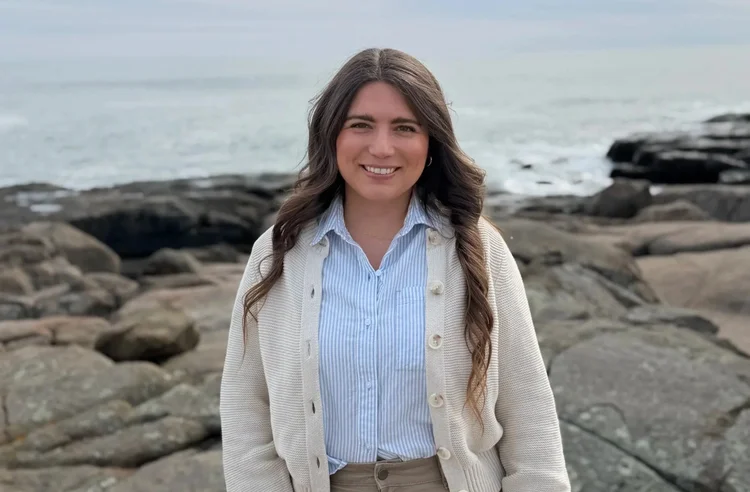
Skin picking therapy at a glance
Dermatillomania, also called skin picking disorder or excoriation disorder, is repeated picking at your own skin that causes damage and that you've tried to stop or cut back on without lasting success. Treatment is mainly behavioral therapy. Amiti Grozdon, M.Ed., uses the ComB model and habit reversal training in online therapy for adults in Texas, Maine, Montana and New Hampshire.
- Common spots
- Face, cuticles, scalp, arms, back and scabs
- Approach
- ComB model and habit reversal training
- Format
- Online, weekly, with an optional 3-hour start
- Fee
- $200 per 50-minute session
- Typical length
- About 16 to 20 sessions in total
Does any of this sound familiar?
- You go to wash your face and look up an hour later.
- Your fingertips scan for bumps without you deciding to.
- Cuticles get picked raw during calls, reading or driving.
- A spot never gets the chance to heal before you're back at it.
- You plan around it: makeup, long sleeves, dim lighting, no pool.
- It brings relief in the moment, then shame afterward.
You're far from alone. In a large US survey, about 2 in every 100 adults had current skin picking disorder. It's common to keep it hidden for years before looking for help.
Every kind of skin picking
Some picking happens on autopilot. Some is focused, like searching the mirror for something to fix. Most people do both, and the plan covers both.
Face and acne picking
Picking at pimples, pores, ingrown hairs or bumps, often at the mirror and often under bright light.
Cuticles and fingers
Peeling, picking or biting the skin around your nails, often while your mind is somewhere else.
Scalp, arms, legs and back
Picking at rough patches, bumps or spots you find by touch, including on your scalp.
Scabs and healing skin
Picking at scabs as they form, which keeps the same spots open and makes scarring more likely.
How skin picking treatment works
You'll have a plan and a rough timeline within the first few sessions.
-
Map your picking
Using the ComB model, we look at what feeds your picking: sensations, thoughts, feelings, movements and places. Then we work out the job picking does for you, like soothing, focusing or releasing tension.
-
Change what happens at the urge
Habit reversal skills help you notice the urge earlier and keep your hands busy until it passes. We also change your setting, so picking takes more effort and something else meets the need.
-
Handle urges and setbacks
You learn to let an urge rise and fall without acting on it, and to treat a bad night as information, not proof you've failed.
Read more about how habit reversal training works. Training: Process-Based Therapy for BFRBs (ComB model) through the OCD Training School, and ACT for Autism and Adult ADHD. More about me
Why skin picking needs its own plan
Skin is always there, always within reach, and every spot you pick can become the next spot to pick.
A bump becomes a scab, the scab feels rough, and the rough edge sets off the next urge. Acne, eczema or dry skin can add more to find. That's why a general "stop picking" plan often falls apart, and why we look at your skin, your routines and your rooms, not only your willpower.
If you have acne, eczema or another skin condition, treating it with a dermatologist can take away some of the triggers. Therapy and skin care work well side by side.
Strategies we might try
Change the mirror
Softer bathroom lighting, no magnifying mirror, and tweezers or pins kept out of reach.
Add a barrier
Bandages, thin gloves, short nails or a hat, used as tools, not punishments.
Give your fingers something else
Textured fidgets, putty or a smooth stone for the sensation your fingers are looking for.
Care for the skin instead
A simple routine, like moisturizer when the urge comes, that turns touching your skin into care.
Let the urge pass
Acceptance-based skills for riding out an urge without fighting it or giving in.
What the research says
Skin picking disorder was added to the DSM-5 in 2013. Research on treatment is newer than for hair pulling, but it's growing.
Reviews of the research point to behavioral therapy, especially habit reversal training and acceptance-enhanced behavior therapy, as the main psychological treatment for skin picking. In a randomized trial, adults who used an online acceptance-enhanced behavioral program improved more than those on a waitlist.
No medication is approved by the FDA for BFRBs, though some medications have been studied. If you're interested, that's a conversation to have with your doctor or psychiatrist alongside therapy.
What therapy can't promise
Without treatment, skin picking tends to come and go over years. With treatment, some people stop entirely, and others pick less often, pick less severely or recover faster after a hard stretch. I can't promise which you'll be, and no honest therapist can. We plan for setbacks from the start.
Is this the right fit?
A good fit if you
- Are an adult who picks, peels, scratches or digs at your skin and wants a structured plan
- Have picked for years, or are only now realizing it's more than a habit
- Have ADHD or are autistic, and restlessness or sensory needs are part of your picking
- Want to stop completely, or to pick less and heal more
- Are in Texas, Maine, Montana or New Hampshire during sessions
When something else comes first
- Spreading redness, warmth, fever or a wound that won't heal: please see a doctor promptly
- Picking driven mainly by intense distress about how your skin looks: that can be body dysmorphic disorder, and we'll talk about whether a BDD specialist fits better
- OCD as the main concern: I'll refer you to an OCD specialist
- Hurting your skin on purpose to cope with emotional pain: that's different from a BFRB, and you deserve support for it. Tell me in the consultation and we'll find the right help
You never have to show your skin on camera. There are no photos and no counting rituals, and you share only what you choose. Fidgets are welcome in session.
Two ways to start
- Consultation15 minutes by phone
- Free
- Individual session50 minutes, weekly
- $200
- Extended individual session90 minutes
- $350
- BFRB intensive3 hours on a Saturday, then weekly sessions
- $750
Start with weekly sessions, or with the 3-hour BFRB intensive, which covers your assessment and first plan in one morning. Either way, most people need about 16 to 20 sessions in total. Payments go through IvyPay: credit, debit, HSA and FSA cards. I'm private pay. I can give you a superbill, but reimbursement isn't guaranteed. See how out-of-network therapy works.
Licensed in four states
All sessions are online, across Texas (including Austin, Dallas, Houston and San Antonio) and statewide in Maine, Montana and New Hampshire. You need to be physically in one of these states during each session.
- Texas LPC #92348
- Maine LCPC #8561
- Montana LCPC #BBH‑LCPC‑LIC‑87815
- New Hampshire LCMHC #5711
Weekday sessions 9am to 12pm Eastern, 8 to 11am Central, 7 to 10am Mountain. Intensives on Saturdays.
Questions about skin picking therapy
What is dermatillomania?
Dermatillomania is another name for skin picking disorder, also called excoriation disorder. It means repeatedly picking at your own skin in a way that causes damage, trying to stop or cut back without lasting success, and feeling distressed or held back by it. It's one of the body-focused repetitive behaviors (BFRBs), along with hair pulling and nail biting.
How is dermatillomania treated?
The main treatment is behavioral therapy. I use the ComB model to map what drives your picking, and habit reversal training to change what happens when the urge hits, along with acceptance-based skills for riding out urges. Some people also talk with their doctor about medication.
Can therapy stop skin picking?
For some people, yes. Others pick less often, less severely, or bounce back faster after a hard stretch. I can't promise a result, and no honest therapist can. We plan for setbacks from the start so a bad week doesn't undo your progress.
How many sessions does skin picking therapy take?
Most people need about 16 to 20 sessions in total, usually weekly. If you start with the 3-hour BFRB intensive, it counts toward that total. We review your progress together as we go.
Is skin picking a form of self-harm?
Usually not. Skin picking disorder is a BFRB: the picking is usually driven by urges, sensations or tension, not by wanting to hurt yourself. If you do hurt your skin on purpose to cope with emotional pain, that's different, and you deserve support for it. If you're in crisis, call or text 988.
Should I see a dermatologist too?
If you have wounds, infections, scarring, or a skin condition like acne or eczema, yes. A dermatologist can treat the skin, and therapy works on the picking. Treating the skin can also remove some of the bumps and rough spots that set off urges. See a doctor promptly for spreading redness, warmth or fever.
Is skin picking linked to ADHD or autism?
They can overlap. For many people with ADHD or autism, restlessness, focus and sensory needs are part of picking. We plan for those needs instead of around them. Stimming that doesn't cause harm isn't a target. See ADHD therapy for adults.
Will I have to show you my skin?
No. There are no photos and nothing to show on camera. We talk about what happens, when and where, and that's enough to build a plan.
I'm looking for a dermatillomania therapist near me. Does online work?
Yes. Skin picking treatment is mostly talking, planning and practicing skills, so it works well by secure video. You also practice in the rooms where picking actually happens. I see adults anywhere in Texas, Maine, Montana and New Hampshire.
Do you take insurance?
I'm private pay, so I don't bill insurance. If your plan has out-of-network benefits, I can give you a monthly superbill to submit yourself. Reimbursement isn't guaranteed and depends on your plan. See out-of-network therapy and superbills.
Sources
How common skin picking disorder is: Grant, J. E., & Chamberlain, S. R. (2020), Prevalence of skin picking (excoriation) disorder (opens in a new tab), Journal of Psychiatric Research, 130, 57 to 60.
Treatment options: Lochner, C., et al. (2017), Management of excoriation (skin-picking) disorder: A systematic review (opens in a new tab).
Online acceptance-enhanced behavioral training: Bowers, E. M., et al., randomized trial of an online program for skin picking disorder (opens in a new tab), Utah State University.
Symptoms, complications and the difference from body dysmorphic disorder: MSD Manual Professional Version, Excoriation (skin-picking) disorder (opens in a new tab).
Medication and BFRBs: The TLC Foundation for BFRBs, Information for medical providers (opens in a new tab).
The ComB model: Mansueto, C. S., & Golomb, R. G., International OCD Foundation, Comprehensive Behavioral (ComB) treatment for skin picking and hair pulling disorders (opens in a new tab).
Course without treatment: Boston University Center for Anxiety and Related Disorders, Body-focused repetitive behaviors (opens in a new tab).
Start with a 15-minute conversation
Book a free consultation, or send me a question first. I usually reply within one business day.
- Phone
- (512) 790-0019
- Hours
- Weekdays, 9am to 12pm Eastern8 to 11am Central, 7 to 10am Mountain. Intensives on Saturdays.
Email and phone aren't monitored for emergencies. If you're in crisis, call or text 988, or call 911.