How Retirement Can Unmask ADHD
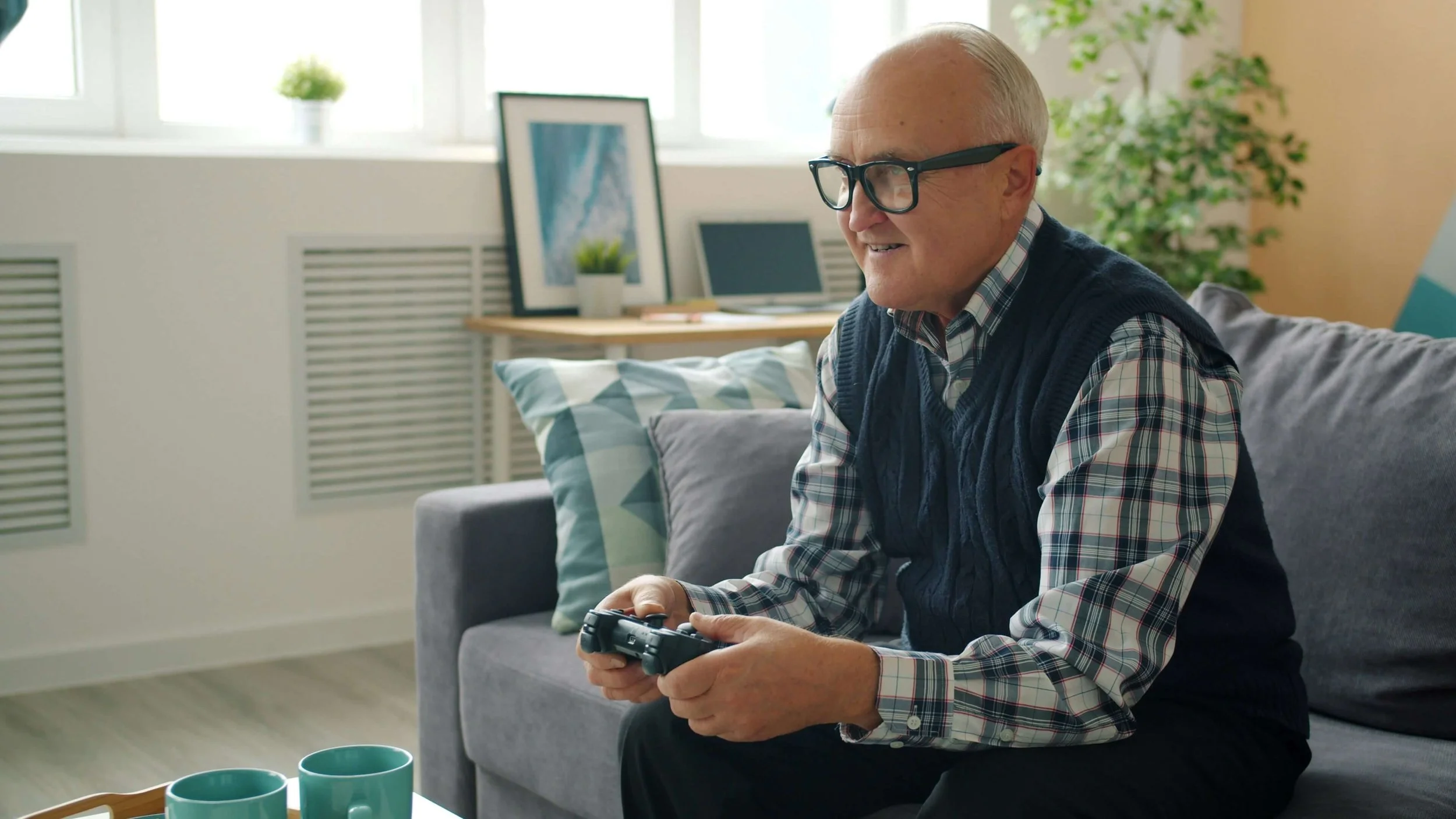
For decades, one partner built a steady, successful career. Deadlines were met. Complex projects were managed. Results were delivered, year after year. At work, there was structure, urgency, and clear expectations.
At home, there were small signs that things didn’t always flow as smoothly. Missed appointments. Half-finished projects in the garage. Occasional impulsive purchases that didn’t quite make sense. But these felt minor, easy to dismiss. After all, this was someone who showed up, provided, and succeeded. Life worked.
Then retirement arrived.
Within a few months, everything shifted. Days stretched open with no clear edges. Sleep drifted later and later. Projects once spoken about with excitement remained untouched. New interests appeared suddenly and vanished just as quickly. Conversations slipped away. Restlessness replaced direction. What had once been competence now looked, from the outside, like aimlessness.
The partner watching this unfold felt confused and increasingly frustrated. Where was the capable person they had known for forty years? Why did this stage of life look so different from what they had imagined? Why didn’t retirement feel peaceful, earned, or joyful the way it seemed to for others?
Inside, the retired partner felt something very different. Without the structure of work, the days felt unmanageable. Time slipped by without meaning. Intentions didn’t turn into action. Purpose felt out of reach. What should have been restful felt disorienting. Shame crept in quietly—along with a painful question: What’s wrong with me?
Neither partner realized what they were witnessing. This wasn’t a loss of character or motivation. It was ADHD, no longer masked by the scaffolding of work. For the first time, the nervous system was fully exposed—without external structure to hold it together.
And without understanding what was happening, both partners were left feeling alone in the same room.
Support for Couples Navigating Retirement & Late-Discovery ADHD
When retirement or late-discovery ADHD begins to affect daily life, roles, or your relationship, counseling can help you understand what’s happening and move forward with more clarity and compassion. I offer secure virtual sessions for couples and individuals.
Use the contact form to share whether you’re looking for a brief consultation or ongoing counseling.
How Work Structure Masks ADHD
Adult ADHD is dramatically underdiagnosed, especially in people who developed successful careers. The assumption goes: if you held a job for decades, managed responsibilities, and functioned adequately, you can't have ADHD. But this fundamentally misunderstands how many adults with ADHD survive—and sometimes thrive—in structured work environments.
External Structure as Compensation
Work provides powerful external structure that compensates for ADHD's executive function deficits:
Imposed schedules: You must be somewhere at a specific time. There's no choice about when to start your day or what to do first. The structure is external and non-negotiable.
Clear deadlines: Projects have due dates set by others. The urgency creates focus. The external accountability drives follow-through.
Defined roles and responsibilities: Your job description tells you what you should be doing. You don't have to generate your own purpose or decide what matters—your employer has decided for you.
Regular feedback and consequences: Performance reviews, client expectations, supervisor oversight—these create external accountability that many ADHD adults desperately need but struggle to create internally.
Social pressure and observation: Coworkers see what you're doing. You can't disappear into distraction without it being noticed. The social accountability keeps you on task.
Structured communication: Meetings happen at set times. Emails require responses. The communication patterns are established and predictable.
Routine and repetition: Work builds daily rhythms. Same commute, same schedule, same general flow. This routine creates a framework ADHD brains can follow without having to generate structure internally.
Urgency and pressure: Many people with ADHD perform exceptionally well under pressure. Work provides constant low-to-moderate pressure that keeps the ADHD brain engaged and focused.
Limited choices: You don't decide what to work on from infinite possibilities—you have specific assigned tasks. The narrowed focus helps ADHD brains stay on track.
The High-Functioning ADHD Professional
Many undiagnosed ADHD adults build impressive careers specifically because they gravitate toward fields that provide the structure and stimulation they need:
Emergency medicine, surgery, or crisis response (high stimulation, clear protocols)
Entrepreneurship (can create novelty, work in bursts, delegate detail work)
Journalism or creative fields (deadlines, varied projects, urgency)
Sales (immediate feedback, social interaction, external metrics)
Teaching (structured schedule, varied activities, social interaction)
Project management (external deadlines, variety, clear goals)
From the outside—and often to themselves—these individuals appear highly functional. They've compensated so well that ADHD remains invisible. Their partners see someone who's successful at work, which makes struggles at home seem like personality flaws rather than neurological differences.
What Gets Hidden
During working years, ADHD symptoms often manifest in ways that get attributed to other causes:
Difficulty with household tasks: "You just don't prioritize family stuff like you do work"
Impulsive spending: "You're irresponsible with money"
Emotional dysregulation: "You're too sensitive" or "You overreact to everything"
Time blindness: "You don't respect my time" or "You're selfish"
Hyperfocus on interests, neglect of responsibilities: "You care more about your hobbies than our relationship"
Forgetfulness: "You don't listen" or "I'm not important to you"
Clutter and disorganization at home: "You're lazy about housework"
Partners develop narratives about these behaviors: character flaws, lack of effort, misplaced priorities. The ADHD adult internalizes these narratives: "I'm defective, I'm lazy, I don't try hard enough, something's wrong with me."
But work performance remains strong, which "proves" the person is capable when they "really try"—reinforcing the belief that home struggles reflect choice rather than neurological difference.
When Retirement Removes the Scaffolding
Retirement eliminates virtually all of work's compensatory structure simultaneously:
No schedule. No deadlines. No defined role. No external accountability. No routine. No social pressure. Infinite choices about how to spend time. No urgency. No performance feedback. No imposed purpose.
For neurotypical retirees, this is freedom. For undiagnosed ADHD adults, it's freefall.
What Happens in the First Year
Executive Function Collapse: Tasks that seemed manageable suddenly become impossible. Getting out of bed, deciding what to do with the day, following through on plans, managing time—all require executive function that ADHD brains struggle to generate internally.
Time Blindness Intensifies: Without external time markers (meetings, lunch breaks, end of workday), hours disappear. Days blend together. The retiree genuinely can't track where time goes.
Motivation Disappears: ADHD brains often rely on external motivation (deadlines, expectations, consequences). Without it, starting anything feels impossibly difficult. The retiree sits immobilized, wanting to do things but unable to initiate.
Emotional Dysregulation Increases: The structure of work helped regulate emotions. Without it, mood swings intensify. Small frustrations trigger disproportionate reactions. Rejection sensitivity amplifies. Depression and anxiety often worsen.
Sleep Dysregulation: Without a required wake time, natural ADHD sleep phase delays assert themselves. The retiree stays up late (when the world is quiet and focus comes easier) and sleeps late, which creates a cycle of feeling unproductive and ashamed.
Hyperfocus Without Balance: Unstructured time means nothing interrupts hyperfocus. The retiree disappears into an interest for twelve hours, neglecting everything else, then crashes. Or they start projects but can't sustain interest without external deadlines.
Impulsivity Without Constraints: Work limited impulsive behavior (you can't just leave during the workday to pursue an impulse). Retirement removes those constraints. Impulsive spending, starting projects, making commitments—all intensify.
Social Isolation: Work provided daily social interaction. Without it, the ADHD retiree often isolates, which worsens symptoms. They might genuinely forget to maintain friendships without work's social structure.
Identity Loss: "I was an engineer, a teacher, a manager" becomes "I am... nothing." ADHD makes it particularly difficult to construct new identity without external frameworks.
The Sudden Purposelessness
Purpose, for many ADHD adults, came from work. Not from internal values they'd carefully articulated, but from external expectations they met. Retirement strips away that externally-defined purpose, and ADHD makes it extraordinarily difficult to generate purpose internally.
The retiree knows they "should" feel excited about freedom and unstructured time. But instead they feel lost, purposeless, depressed. They can't explain why retirement—which they looked forward to for years—feels so terrible.
How This Destroys Relationships
Partners who've spent decades with someone they perceived as highly functional suddenly face a different person. The confusion, frustration, and blame this creates can devastate marriages that survived decades of work-life balance.
Common Relationship Patterns That Emerge
The Competence Crisis: The non-ADHD partner believed they married a competent adult. Now that adult seems unable to manage basic daily tasks. The partner feels betrayed—"You were capable for forty years, why are you falling apart now?"
Caregiver Resentment: The non-ADHD partner finds themselves managing everything—making all plans, tracking all appointments, initiating all activities, providing all structure. They're exhausted and resentful. They looked forward to partnership in retirement and instead feel like a parent to an adult child.
The Retirement Fantasy Destroyed: Many couples envision retirement as finally having time together—traveling, pursuing shared interests, enjoying each other's company. Instead, the ADHD partner can't plan trips, follow through on shared activities, or engage consistently. The non-ADHD partner grieves the retirement they expected.
Blame and Shame Cycles: The non-ADHD partner blames the ADHD partner for "choosing" not to try, not caring, being lazy. The ADHD partner feels crushing shame but can't explain why simple things feel impossible. Both people believe the ADHD partner could change if they just tried harder.
Financial Conflicts: Impulsive spending increases. The non-ADHD partner tries to impose controls. The ADHD partner feels controlled and infantilized. Money becomes a constant battleground, with the non-ADHD partner policing spending and the ADHD partner either hiding purchases or defensively justifying them.
Different Retirement Rhythms: The non-ADHD partner wants structure—breakfast at 8, activities planned, regular social engagement. The ADHD partner can't sustain this and experiences it as suffocating. The non-ADHD partner interprets resistance as rejection.
Emotional Flooding: Small disagreements escalate rapidly because the ADHD partner's emotional regulation is worse without work structure. The non-ADHD partner walks on eggshells, which creates distance and resentment.
Parallel Lives: Unable to synchronize retirement rhythms, couples begin living parallel lives in the same house. The non-ADHD partner creates structure for themselves. The ADHD partner exists in chaos. They barely interact beyond logistics.
The "Lazy" Accusation: This is perhaps the most corrosive pattern. The non-ADHD partner sees someone who accomplished significant things at work now unable to complete simple household tasks. The conclusion seems obvious: laziness, lack of effort, not caring. The ADHD partner internalizes this, sinking deeper into shame and paralysis.
What This Looks Like Daily
Margaret retired from teaching. Her husband Tom, a retired accountant, expected they'd travel, visit grandchildren regularly, maybe volunteer together. Instead, Margaret can't seem to plan anything. She agrees to trips but doesn't follow through on booking them. She says she'll call their daughter but forgets. She starts organizing the house but leaves projects half-finished everywhere. She seems agitated and depressed but can't explain why.
Tom feels increasingly frustrated. "You managed thirty students every day. Why can't you manage a simple phone call to our daughter?" Margaret doesn't have an answer that makes sense to either of them.
Why Retirement Reveals ADHD in Older Adults
ADHD has been understood primarily as a childhood disorder that some people "grow out of." We now know this is false—ADHD is a lifelong neurological difference. But diagnostic criteria were developed for children, and many adults learned to compensate so well that they never met diagnostic thresholds during working years.
Retirement strips away compensation strategies and reveals ADHD clearly:
The scaffolding is gone: All the external structure that enabled functioning disappears.
Cognitive aging intersects with ADHD: Normal age-related executive function decline compounds ADHD symptoms, making them more visible and impairing.
Reduced stress tolerance: Older adults generally have less stress tolerance. ADHD adds executive function stress that becomes overwhelming.
Comorbid conditions emerge: Depression, anxiety, and sleep issues worsen ADHD and vice versa. The combination becomes debilitating.
Medical professionals look for it: Depression in retirement is common, so retirees seek help. Skilled clinicians recognize ADHD underlying or complicating mood issues.
How Individual Therapy Helps ADHD Retirees
Individual therapy with an ADHD-informed therapist addresses the unique challenges of managing ADHD without work's structure:
Building Internal Structure
Therapists help develop systems that replace work's external structure:
Creating routines that work with ADHD rather than fighting it
Using timers, alarms, and external cues to compensate for time blindness
Breaking tasks into ADHD-friendly chunks
Identifying optimal times of day for different activities
Building in movement and stimulation
Addressing Emotional Dysregulation
ADHD often includes emotional dysregulation—intense reactions, mood swings, rejection sensitivity. Therapy provides tools for:
Recognizing emotional patterns
Developing emotion regulation strategies
Understanding how ADHD affects relationships
Processing shame and building self-compassion
Managing Comorbid Conditions
Depression and anxiety commonly accompany ADHD, especially in retirement. Therapy addresses these conditions while understanding their relationship to ADHD—not treating them in isolation.
Identity Reconstruction
Therapy helps retirees build identity beyond work while accounting for ADHD:
Finding purpose that works with ADHD rather than against it
Identifying meaningful activities that provide enough stimulation
Building structure around values rather than external expectations
Grieving work identity while constructing retirement identity
Medication Management Support
While therapists don't prescribe medication, they help clients navigate medication trials, track effectiveness, communicate with prescribers, and integrate medication into comprehensive treatment.
Practical ADHD Strategies
Evidence-based ADHD strategies adapted for retirement:
Body doubling (working alongside someone else, even virtually)
External accountability systems
Interest-based nervous system approaches
Managing hyperfocus productively
Working with ADHD rather than fighting it
At Sagebrush Counseling, I offer virtual counseling throughout Maine, making ADHD-informed individual therapy accessible regardless of where you live in the state. Telehealth is particularly helpful for ADHD adults who struggle with appointment attendance—it eliminates travel barriers and makes consistency easier.
Counseling for ADHD
If you're recognizing ADHD in yourself or your partner as retirement reveals what work structure masked, know that you're not alone. Late diagnosis is increasingly common as understanding of adult ADHD improves. The struggles you've experienced aren't character flaws—they're neurological differences that can be understood and managed.
Diagnosis doesn't erase decades of difficulty or instantly repair relationship damage, but it provides a path forward. With proper treatment, ADHD adults can build meaningful, structured retirement lives. With understanding and support, couples can navigate ADHD together rather than letting it drive them apart.
Retirement doesn't have to mean collapse. It can be a transition point, difficult, but ultimately leading to better understanding, appropriate support, and a relationship that works for both partners.
Contact Sagebrush Counseling today to schedule a consultation for individual ADHD therapy or couples therapy. Virtual counseling is available throughout Maine, making support accessible wherever you are.
You've spent decades functioning without understanding why things felt so hard. You don't have to keep struggling alone.
Support for Couples Navigating Retirement & Late-Discovery ADHD
When retirement or late-discovery ADHD begins to affect daily life, roles, or your relationship, counseling can help you understand what’s happening and move forward with more clarity and compassion. I offer secure virtual sessions for couples and individuals.
Use the contact form to share whether you’re looking for a brief consultation or ongoing counseling.
