CPTSD therapy for adults whose trauma grew up alongside their neurotype
Select insurance and private pay options available
Complex PTSD comes from what happened repeatedly: years of invalidation, bullying, punishment for traits you could not change, relationships where you were the problem to manage. For neurodivergent adults, that history is common, and it tangles with the neurotype itself.
Therapy here works with both threads at once. Paced by you, nothing forced. Adults 18 and up.
Trauma therapy usually assumes a neurotypical client. This doesn't.
Complex PTSD is what develops when the hard thing was not one event but a condition of life: a childhood of being corrected for existing wrong, schools where you were the target, workplaces and relationships that repeated the pattern. Neurodivergent adults carry this kind of history at strikingly high rates, for an uncomfortable reason: growing up ADHD or Autistic in environments that punished those traits is itself a chronic relational injury. The masking so many of you learned is, among other things, a survival response that never got to stand down.
The clinical problem is that CPTSD and neurodivergence look like each other. Hypervigilance reads as autistic sensory scanning. Emotional flashbacks read as meltdowns. Fawning reads as masking, and masking reads as fawning. Standard trauma therapy that does not know your neurotype will try to heal the autism and accommodate the trauma, which is backwards twice. Working with someone who sees both means we can ask the more useful question: which parts of your daily experience are wiring to be accommodated, and which are injury that can actually heal.
Relational trauma is rarely one dramatic event
Most of the neurodivergent adults I see with complex trauma do not have a single catastrophic story. They have twenty years of small ones: the teacher who made an example of them, the parent who loved a masked version of them, the friend group that ended without explanation, the manager who called their accommodations excuses. Each one survivable. Together, they teach the nervous system a lesson it never forgets: you are not safe being what you are.
Naming that as trauma matters, because most people carrying it will not use the word. It felt normal. Everyone said you were too sensitive. Part of the early work is simply letting your history count, without ranking it against anyone else's.
Which is trauma, and which is how you're wired?
This is the question that brings most people to this page, and the honest answer is: it takes patient sorting, and the sorting is the therapy. Shutdowns and dissociation can feel identical from the inside. Rejection sensitivity and hypervigilance to abandonment overlap almost completely. The startle response, the people-pleasing, the difficulty trusting your own perception after years of being told you were wrong about everything: each has a wiring explanation and a trauma explanation, and for most people it is genuinely both.
The distinction matters because the responses differ. Wiring gets accommodated: you build a life that fits it. Injury gets healed: slowly, safely, at your pace. Getting this backwards is why so much past therapy failed you, in both directions.
Paced, consented, and built for your nervous system
Trauma work with neurodivergent adults has non-negotiables. Nothing is forced: not eye contact, not reliving details before you are resourced for it, not exposure you did not choose. We build stability and regulation first, in ways that respect your sensory profile rather than fighting it. Somatic work is adapted for bodies that experience interoception differently. And your accommodations in session are not clinical issues to overcome; they are the floor we stand on.
I will also be honest about scope. Complex trauma work is not fast, and anyone promising otherwise is selling something. What I can offer is a steady, structured path: safety first, then processing at the pace your system allows, then rebuilding a life where the survival strategies can finally retire. Many people feel the ground firm up well before the deeper work is done.
What travels with complex trauma
These rarely arrive one at a time. Bring the whole picture; we will work with all of it.
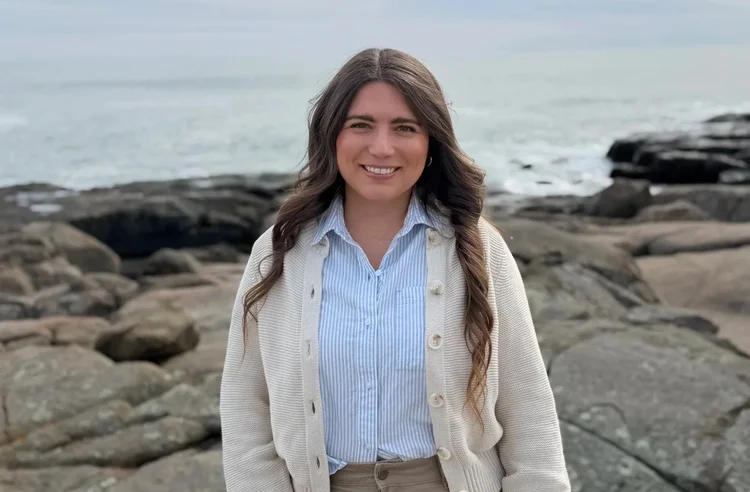
Amiti Grozdon, M.Ed., LPC, LCMHC, LCPC
Licensed in Texas, Maine, New Hampshire & Montana
I'm a licensed therapist specializing in neurodivergent adults, neurodiverse couples, and body-focused repetitive behaviors, along with the anxiety and depression that so often travel with them. I work with people who are carrying things they were never given the tools to set down, and I help you set them down at your pace.
My approach is direct, warm, and solutions-driven.
What to expect
Direct, warm, and steady. Sessions are 50 to 55 minutes, online across Texas, Maine, New Hampshire, and Montana. In-network with major insurance plans; private pay welcome.
A Free 15-Min Consultation
A brief call to see if this is the right fit. You do not need to tell your story to book it, and you will never be asked to before you are ready.
Stability First
Before any processing, we build regulation, resources, and safety, adapted to your sensory profile and how you actually calm. This phase is the foundation, not a delay.
Untangling and Healing
Sorting wiring from injury, processing at your pace, and building a life where the old survival strategies can stand down. Drawn from ACT and somatic approaches.
Before you begin
Is complex PTSD an official diagnosis?
CPTSD is recognized in the ICD-11 and widely used clinically, though the DSM used in the US bills it under PTSD and related codes. Practically: yes, insurance can cover this work, and the label matters far less than the pattern it names.
Do I need a trauma diagnosis to start?
No. If your history keeps explaining your present, that is reason enough. Formal assessment questions can be sorted in the intake process, and self-understanding is a valid starting point.
Will I have to talk about the details?
Not before you are ready, and possibly less than you fear. Modern trauma work builds stability first, and much of it happens without narrating events. You control the pace and the depth, every session.
Does insurance cover this?
I'm in-network with 8 plans across Texas, Maine, New Hampshire, and Montana; you pay your plan's copay or coinsurance. Private pay is $200 for a 50 to 55 minute session. Details on the services page.
Can you prescribe medication?
No. As a licensed therapist, I provide therapy, not medication. If medication support is something you're looking for, a psychiatrist or prescribing provider is the right professional for that.
Is online therapy safe for trauma work?
Yes, with the pacing safeguards built in. Many trauma clients find home the better setting: your regulated space, your comfort items, no drive home in a raw state. We plan grounding for after sessions as part of the work.
What if I'm not sure my history "counts" as trauma?
That doubt is nearly universal in complex trauma, and it is often part of the injury: you were trained to minimize. You do not need to qualify. Bring what happened; we will take it seriously together.
Do you work with children or teens?
No. My practice is for adults, 18 and older, including college students and late-identified adults.
Autism therapy for adults across four states
Available online throughout Texas, Maine, New Hampshire, and Montana, Monday through Friday.
Ready when you are
Start with a free 15-minute consultation. You will not be asked to tell your story before you are ready.