OCD Therapist in Texas
Texas is big enough to hide a shortage. The metros have OCD specialists, but they come with months-long waitlists and, often, no insurance; drive an hour out and specialty OCD therapy thins to almost nothing. This practice closes both gaps by telehealth: two evidence-based OCD treatments, Inference-Based CBT and neurodivergent-affirming ERP, from a Texas-licensed therapist trained specifically in this work, delivered to your living room anywhere in the state. The checking, the doubting, the mental reviewing, the rituals that eat your evenings: treatable, from home.
Help with: contamination & washing · checking · intrusive thoughts · relationship OCD · scrupulosity · perfectionism & "just right" · mental review & Pure O · emetophobia · BFRBs (hair pulling, skin picking) · and OCD in autistic and ADHD adults.
More than one path
You have a real choice of I-CBT and affirming ERP. Different people respond to different methods, and we'll discuss in your consult which one is the better fit for your situation.
A named specialist
No rotating assignment from a directory. Your therapy stays with one Texas-licensed therapist the whole way through.
Neurodivergent-affirming
Autism and ADHD are never treated as the problem here. The plan targets doubt-driven rituals only.
The whole picture
OCD seldom shows up by itself. The anxiety, burnout, and ARFID riding alongside it get treated too, not just the OCD.
OCD therapy across Texas, wherever you are
Join from anywhere in Texas →Somewhere smaller or more rural? You're covered. Telehealth reaches every corner of Texas, from the Rio Grande Valley and Hill Country to the Panhandle. The only requirement is being physically in Texas during your session.
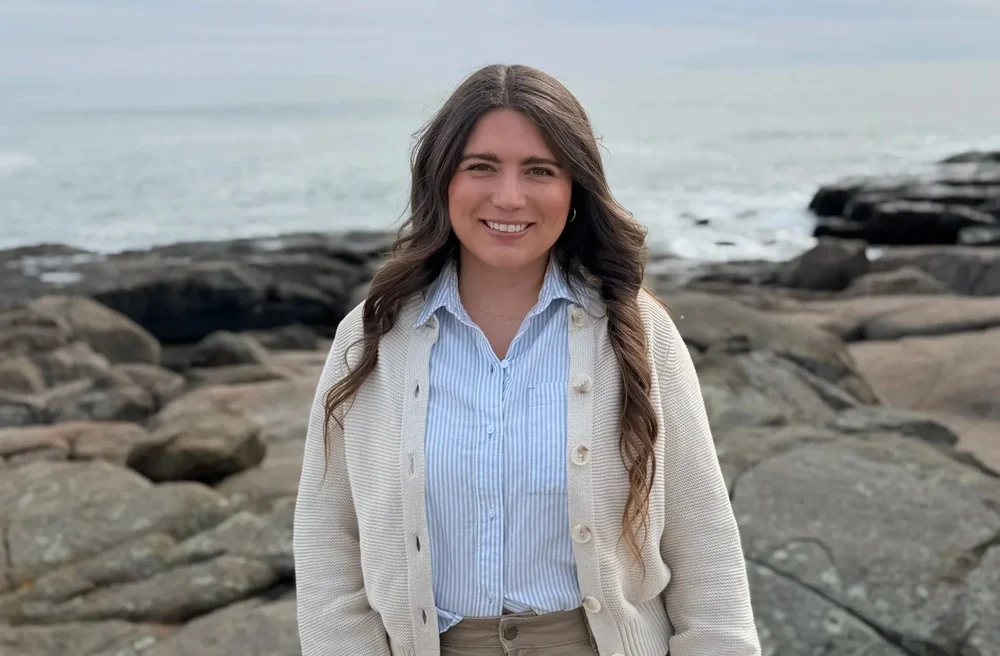
Amiti Grozdon, M.Ed., LPC
Texas LPC #92348 · OCD telehealth statewide
I'm a Licensed Professional Counselor treating OCD, anxiety, and phobias in adults across Texas by telehealth. The style here is direct, warm, and structured: your treatment plan is clear by session three, and you'll always know the target and the reason for it.
OCD is a core specialty, not a side offering. I'm trained in both treatments described on this page, deliver them in neurodivergent-affirming form, and keep your therapy with one person rather than passing it to whoever is free. Your named therapist, start to finish.
OCD-specific training: Inference-Based CBT / I-CBT (OCD Training School) · Exposure & Response Prevention for OCD & Anxiety Disorders · Autistic-Affirming ERP (Diverge Counseling) · plus ACT for autism and adult ADHD, DBT skills for neurodivergent clients, and ComB for BFRBs.
Book a free 15-min consultationInsurance or private pay, your choice
In-network in Texas with the plans below. Private pay: $200 for a 50-55 minute session, $120 for a 30-minute check-in for established clients. Full details on the fees & insurance page.
OCD treatment for the full range of themes
OCD comes in many themes and one engine underneath: manufactured doubt. The treatment reaches every theme, and the most common ones have dedicated pages.
The visible themes
Contamination and washing, the checking loop that never closes, ordering and "just right" rituals, and reassurance seeking that resets overnight. Contamination OCD and perfectionism OCD have their own pages, and the main OCD therapy page covers the treatment side as a whole.
The invisible themes
The themes that stay hidden: mental reviewing, moral and religious scrupulosity, relationship OCD, existential loops, and the private all-day tribunal of "did I do something wrong." All doubt-driven, all treatable, and no exposure hierarchy needed for rituals that run entirely inside your head.
The OCD-adjacent fears
Fears that wear a phobia label but run on OCD's engine respond to the same work: emetophobia, choking fears alongside ARFID, the what-if side of panic and agoraphobia, and anticipatory driving anxiety.
OCD in autistic and ADHD adults
For autistic and ADHD adults, the sorting comes first: routines and stims are regulation and stay protected, while doubt-driven rituals get treated, and both methods run in ND-affirming form. The full picture is on the OCD for autistic adults page.
OCD themes I treat
People usually search for their particular theme. Here are common ones I treat across Texas, each with a dedicated page:
Related anxiety and phobias I also treat
These are anxiety disorders rather than OCD, but they run on the same doubt-and-avoidance engine and respond to the same methods, so they fit naturally alongside this work:
A big-state overlap with a big-state shortage
OCD, autism, and ADHD overlap far more than standard therapy assumes, and Texas pairs a large affected population with one of the country's worst provider shortages. The numbers are stark.
Sources: Dietz et al. (2020) estimated ~449,600 autistic adults in Texas, second only to California; HRSA (Dec 2025) mental-health Health Professional Shortage Area designations; Hollocks et al. (2019) lifetime OCD in autistic adults; co-occurrence meta-analyses. In a state this size, specialists cluster in a few metros while vast rural areas go without, which is exactly the gap telehealth closes.
Two doors into the same recovery
The standard OCD menu offers exposure, take it or leave it. Here there are two genuinely different doors, and having the choice changes what choosing either one means.
I-CBT: no deliberate exposure
I-CBT reframes the whole problem: the obsession is a doubt your imagination built against the testimony of your senses, and a manufactured doubt can be dismantled. The work takes apart the reasoning that sells it, with no flooding and no provoked anxiety, and randomized trials put it on par with established treatments, strongest where conviction runs high. Read the full I-CBT introduction →
Trying to choose? Here's I-CBT vs ERP compared, and we'll land on the right one together in your free consult.
Affirming ERP: exposure you choose
When avoidance has shrunk your world, well-built exposure work takes it back, and "well-built" carries the weight: consent is structural, the hierarchy is yours, the veto is real, sensory pain is never treated as anxiety, and nothing is sprung on you. Read the affirming ERP introduction →
Not sure if this is OCD, or which treatment fits?
That's exactly what the free consultation is for. We'll talk it through by phone, no pressure and no commitment, and you'll leave with a clearer sense of your options in Texas.
Book a free 15-min consultationSpecialty OCD therapy, minus the waitlist and the drive
Texas has a two-part OCD problem. In the big metros, specialists exist but sit behind long waitlists and frequently don't take insurance, so "available" and "reachable" turn out to be different words. Outside the metros, specialty OCD therapy nearly vanishes: OCD-trained therapists cluster in a few cities, ERP training is rarer, and I-CBT, still new to the U.S., is rarer yet, leaving generic talk therapy as the honest local option, which OCD mostly ignores.
Telehealth resolves both halves at once: no metro waitlist, no long haul from a rural county, and for OCD specifically a clinical edge, because your real triggers, your real kitchen, and your real front-door lock are in the session rather than described from memory. Traffic, distance, and a scarce local roster stop deciding whether treatment happens. That's true whether you're in Houston, Dallas, Fort Worth, San Antonio, or Austin, in El Paso, Corpus Christi, Lubbock, Amarillo, or Laredo, or in the Rio Grande Valley, the Hill Country, or a Panhandle county two hours from anywhere: same specialist, same treatments, same depth of work, anywhere in Texas.
The Texas practice page covers everything else I treat statewide.
Consult & sort
Start with the free 15-minute call, then a thorough assessment: themes mapped, and OCD teased apart from everything that looks like it.
Choose the door
Together we pick the door: I-CBT, affirming ERP, or one then the other, with both introductions available to read first.
The work
Weekly structured sessions from wherever you are, taking apart the doubt or reclaiming lost ground at a pace that fits you.
Make it hold
Progress checked against your real life, plus a standing plan for the day OCD tries out a fresh theme, because it will.
Sessions run entirely online over secure, HIPAA-compliant video, weekdays from 7am to 5pm Central. You'll need to be physically in Texas during session, and any private spot does the job, whether that's home, an office, or a parked car.
Insurance (In-network throughout Texas with)
Private pay
Coverage depends on your plan, so check your benefits first. Details live on the services page.
Amiti Grozdon, M.Ed., LPC (Texas LPC #92348), trained in I-CBT (OCD Training School) and autistic-affirming ERP, treating OCD, anxiety, and phobias by telehealth across Texas. Meet your therapist →
The doubt was manufactured. Texas-licensed help is a video call away.
If you're searching for an OCD therapist in Texas, this is the work I do: specialty OCD treatment with I-CBT and affirming ERP, Texas-licensed, by telehealth from anywhere in the state. The Texas practice page covers everything else I treat.
The consultation is free and short. We'll talk by phone (I'll call you at the time you schedule) and see if we're a fit. No pressure, no commitment.